Uncovering the Significance of Aluminum Foundry in Sustainable Design Practices
Aluminum foundries are increasingly recognized for their crucial role in lasting design. By reusing aluminum and using cutting-edge innovations, they add to source preservation and lowered discharges. This method cultivates a circular economic climate, enhancing item top quality while decreasing ecological impact. The journey towards sustainability in steel spreading is stuffed with challenges and opportunities that warrant additional exploration. What lies in advance for light weight aluminum foundries in the pursuit for a greener future?
The Duty of Aluminum Foundries in Source Preservation
Aluminum foundries play an important role in resource conservation by successfully reusing aluminum materials. These centers are critical in transforming scrap light weight aluminum right into top quality items, consequently decreasing the demand for brand-new aluminum extraction. The process involves thawing down utilized aluminum items, which calls for substantially much less energy than creating aluminum from raw bauxite ore. By making use of existing materials, foundries aid lower greenhouse gas exhausts linked with mining and refining processes.
Furthermore, light weight aluminum foundries add to squander decrease by diverting scrap from landfills, advertising a much more lasting technique to resource management. They frequently collaborate with markets to gather post-consumer and post-industrial light weight aluminum waste, enhancing the general recycling infrastructure. This technique not only preserves natural deposits however also sustains the economy by producing work and promoting innovation in lasting engineering practices. Via these efforts, light weight aluminum foundries exhibit a commitment to ecological stewardship and resource effectiveness in production.
Reusing and Repurposing: A Circular Economic Situation Approach
The idea of a round economic climate is increasingly acquiring grip in numerous sectors, including aluminum foundries. This technique stresses the importance of reusing and repurposing products to reduce waste and enhance source use. In aluminum foundries, recycling includes recovering scrap light weight aluminum from production procedures and end-of-life products, substantially decreasing the requirement for virgin products. This not just saves all-natural sources but also reduces energy intake linked with light weight aluminum manufacturing.
Repurposing, on the various other hand, involves transforming discarded aluminum items right into brand-new, functional items, thereby expanding their life cycle. By adopting these practices, light weight aluminum foundries contribute to a lasting production ecosystem that prioritizes environmental obligation. The integration of recycling and repurposing within the aluminum market lines up with broader sustainability goals, driving innovation and improving the economic viability of round economic situation concepts (Aluminum Foundry). Eventually, this technique promotes resilience within the sector while lowering its eco-friendly impact
Innovative Technologies Changing Aluminum Spreading
Ingenious technologies are improving the light weight aluminum casting market by introducing innovative molding methods that improve precision and efficiency. In addition, the advancement of green alloys is advertising sustainability while preserving efficiency requirements. Automation in casting processes better simplifies production, reducing waste and energy consumption.
Advanced Molding Techniques

Eco-Friendly Alloy Growth
As the need for lasting methods in producing grows, the development of environment-friendly light weight aluminum alloys has become an important emphasis within the aluminum casting sector. These ingenious alloys intend to minimize environmental impact while preserving premium efficiency attributes. Researchers are exploring the unification of recycled products and non-toxic elements, which not just reduce the carbon impact but also enhance source efficiency. Advanced methods, such as using bio-based ingredients, are being checked out to enhance alloy properties without endangering sustainability. Furthermore, partnerships between academic community and market are fostering the production of alloys tailored for specific applications, ensuring that green navigate to these guys options fulfill the strenuous demands of modern-day engineering. This commitment to sustainability positions the light weight aluminum casting sector as a leader in accountable production methods.
Automation in Casting Processes
While the light weight aluminum spreading industry accepts sustainability, automation in casting processes is simultaneously reinventing manufacturing performance and top quality. Advanced modern technologies such as robotic arms, computer system mathematical control (CNC) machines, and fabricated intelligence are simplifying operations, minimizing labor costs, and lessening human mistake. These advancements make it possible for exact control over spreading parameters, making sure constant product top quality and reducing material waste. Full Article Furthermore, automated systems can check real-time data, permitting prompt adjustments to optimize performance. Therefore, suppliers can enhance their sustainability efforts by improving source application and decreasing power consumption. The assimilation of automation not just meets the growing demand for high-grade aluminum components however likewise lines up with eco-friendly practices, marking a significant development in the aluminum shop field.
Decreasing Carbon Footprints With Lasting Practices
A considerable reduction in carbon impacts can be attained via the implementation of sustainable techniques in light weight aluminum foundries. By taking on energy-efficient innovations, foundries can decrease power usage, consequently reducing greenhouse gas discharges. Furthermore, the integration of recycled aluminum greatly lowers the need for basic material removal, which is resource-intensive and contributes to environmental degradation.
Applying innovative melting methods, such as induction melting, can also enhance efficiency and lower discharges. Additionally, optimizing the spreading procedure with automation and monitoring can decrease waste and energy usage.
The Impact of Aluminum Foundries on Various Industries
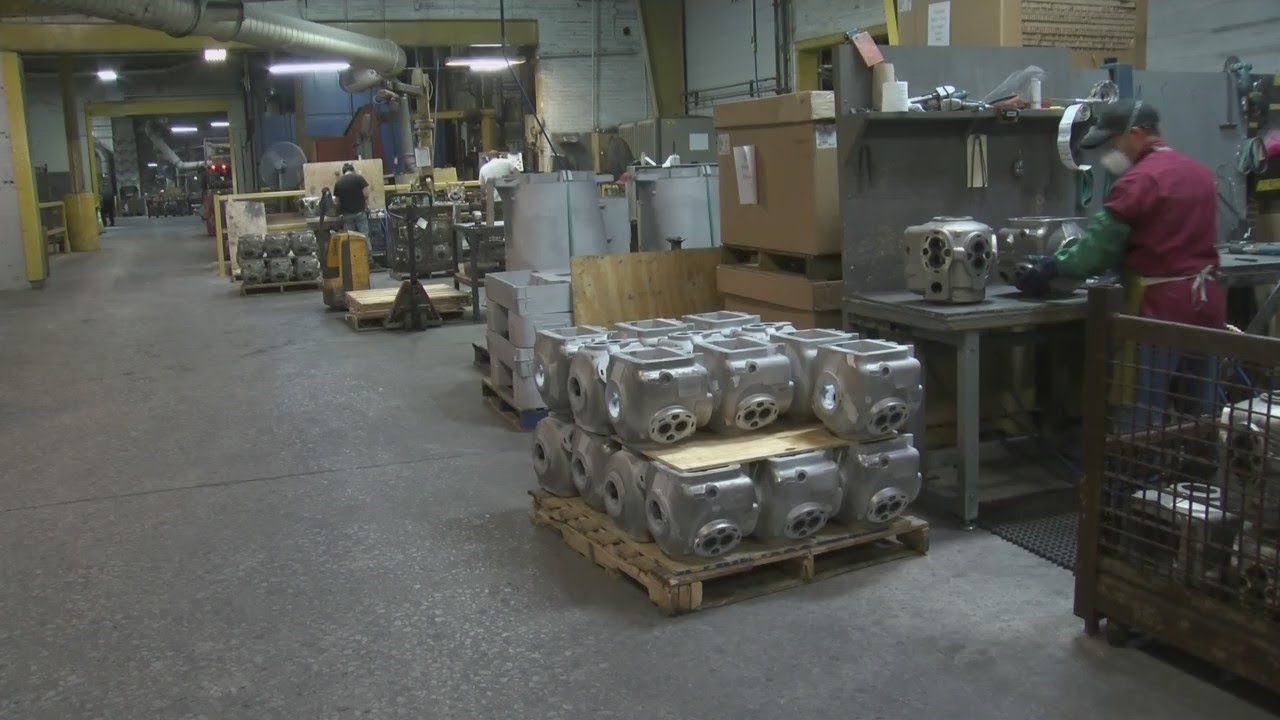
Aluminum foundries play a considerable duty across various markets, supplying lightweight and durable materials that boost product performance and sustainability. In the automotive industry, aluminum castings add to fuel effectiveness by lowering car weight, eventually resulting in reduced exhausts. The aerospace sector gain from light weight aluminum's strength-to-weight proportion, making it possible for the manufacturing of more efficient aircraft styles. In building, aluminum elements provide deterioration resistance and longevity, making buildings more lasting over time. Furthermore, the electronic devices market uses aluminum for its excellent thermal conductivity, which is crucial for warmth dissipation in tools. In addition, light weight aluminum foundries sustain the manufacturing of durable goods, offering aesthetically pleasing and useful items. As sectors progressively focus on sustainability, the role of aluminum foundries becomes much more crucial, guaranteeing that products not just satisfy performance standards yet likewise align with ecological objectives. The influence of aluminum foundries expands across numerous fields, driving development and promoting sustainable methods.
Obstacles and Opportunities in Sustainable Metal Casting
As markets venture for sustainability, the challenges and chances in lasting metal casting end up being increasingly famous. One significant difficulty is the environmental effect of typical casting procedures, which commonly entail high energy usage and exhausts. Additionally, the requirement for competent labor in lasting practices presents troubles for many foundries. Chances abound with advancements in innovation, such as the assimilation of energy-efficient strategies and the use of recycled products. Emphasizing the circular economic climate, foundries can lower waste and reduced costs while improving item top quality. Collaboration among stakeholders, consisting of providers and clients, can cause cutting-edge approaches that foster sustainability. Regulatory pressures encourage foundries to embrace greener techniques, transforming challenges into avenues for development. By dealing with these difficulties, the steel casting industry can position itself as a leader in lasting engineering, ultimately adding to a more eco liable future.
Future Fads in Aluminum Foundry Practices for Sustainability
Innovative Recycling Methods
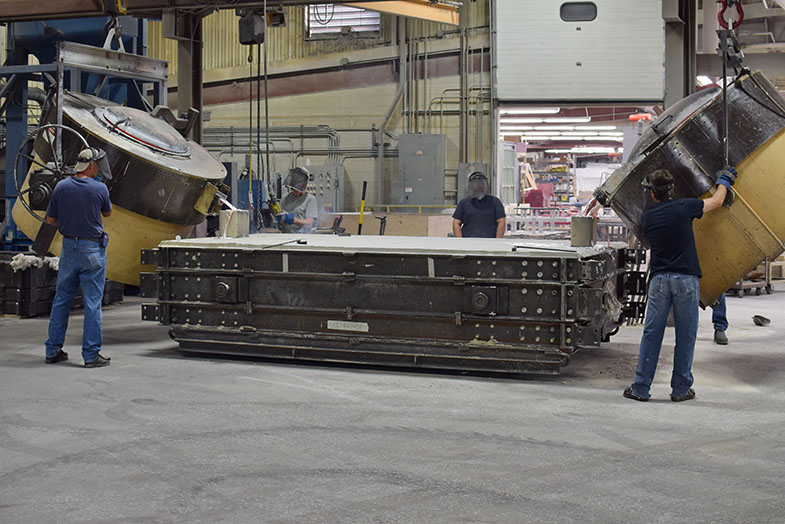
While the demand for lasting techniques continues to increase, ingenious recycling strategies are emerging as crucial solutions within the aluminum factory field. Advanced methods such as closed-loop recycling are getting grip, enabling the repurposing of scrap aluminum directly back right into the manufacturing procedure. This strategy not just minimizes waste however additionally reduces the carbon footprint related to aluminum manufacturing. In addition, the growth of sophisticated sorting technologies enhances the efficiency of recycling operations, making sure high-grade feedstock for foundries. Strategies like hydrometallurgical reusing additional enhance resource recovery, enabling the extraction of useful materials from complicated aluminum alloys. As these developments develop, they significantly add to a much more sustainable light weight aluminum shop sector, straightening with international ecological objectives.
Energy-Efficient Casting Methods
Ingenious recycling methods lead the way for innovations in energy-efficient spreading approaches within the light weight aluminum factory industry. These approaches concentrate on lowering power usage and reducing waste throughout the casting procedure. Methods such as die casting and investment casting are being improved to improve thermal effectiveness and shorten cycle times. In addition, the assimilation of wise modern technologies and automation permits real-time monitoring and optimization of power usage. Researchers are additionally checking out alternative products and additives that can better boost energy performance (Aluminum Foundry). The shift in the direction of lasting practices is not just regulative; it reflects an expanding market demand for greener products. As energy-efficient casting approaches progress, they promise to substantially reduce the carbon footprint of light weight aluminum manufacturing while preserving top quality and performance criteria
Often Asked Inquiries
What Are the Environmental Advantages of Aluminum Foundries Contrasted to Other Steels?
Aluminum foundries provide substantial environmental benefits, consisting of lower energy intake, decreased greenhouse gas exhausts, and recyclability. Contrasted to other steels, light weight aluminum's lightweight nature improves gas efficiency in transportation, more adding to find out here now sustainability in different sectors.
How Do Aluminum Foundries Add To Local Economic Climates and Work Creation?
Aluminum foundries play an essential function in neighborhood economies by producing task possibilities and supporting supplementary markets. Their procedures boost financial development, boost labor force skills, and foster community growth with investment in local facilities and solutions.
What Precaution Are Carried Out in Aluminum Foundry Procedures?
Precaution in light weight aluminum shop procedures consist of individual safety equipment, ventilation systems to decrease exposure to fumes, routine devices maintenance, security training for workers, and stringent adherence to market guidelines to lessen hazards and guarantee worker safety.
Just How Can Customers Assistance Lasting Practices in Aluminum Manufacturing?
Customers can support sustainable practices in aluminum production by choosing items made from recycled light weight aluminum, promoting for eco-friendly sourcing, and supporting business dedicated to decreasing their carbon footprint and carrying out accountable manufacturing procedures.
What Qualifications Should Aluminum Foundries Seek for Sustainability Acknowledgment?
Aluminum foundries must go after certifications such as ISO 14001 for ecological administration, LEED for environment-friendly structure, and the Aluminum Stewardship Effort standards to gain acknowledgment for their dedication to sustainability and accountable production techniques.